Woman with Flower: A Designer's Review for Business Merch
As an embroidery designer who has spent years digitizing and reviewing files for commercial use, I approach every new machine embroidery design with a critical eye. It is not just about whether a pattern looks pretty on a screen; it is about how that digital embroidery file translates into a tangible asset for a brand. Today, I am reviewing the Woman with Flower design, a piece described as sleek and elegant, specifically tailored for beauty-related projects. For small business owners, boutique operators, and apparel decorators, understanding the practical application of this file is crucial before committing to production.
First Impressions: Visual Personality and Brand Fit
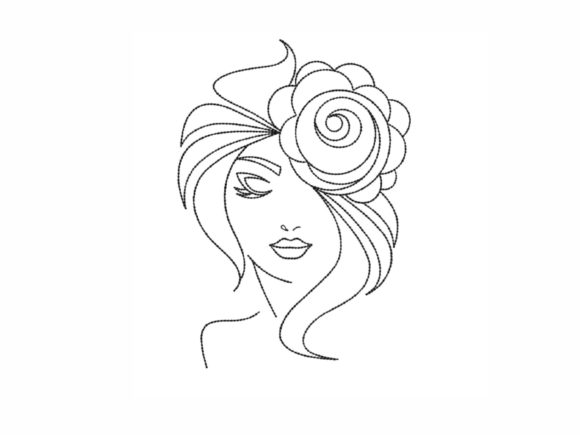
Upon initial inspection, the Woman with Flower project exudes a sense of refined sophistication. The description highlights its "sleek and elegant" nature, which immediately signals its suitability for industries where aesthetics drive sales. In the context of brand identity, this design feels less like a rustic craft item and more like a premium logo mark. It carries a feminine yet professional weight, making it an ideal candidate for florists, high-end bakeries, beauty salons, and creative studios that want to project an image of care and artistry.
Unlike overly complex illustrations that can get lost in translation, this design appears to focus on clean lines and balanced composition. For a handmade brand or an Etsy seller, this visual clarity is essential. It suggests a modern classicism that does not date quickly, ensuring that your small business merch remains relevant season after season. The elegance of the motif allows it to serve as a standalone statement or a subtle accent, depending on how you deploy it across your product line.
Real-World Applications for Commercial Embroidery
The true test of any embroidery file is its versatility in real-world scenarios. Based on the profile of this design, here is how it performs across various commercial applications:
- Embroidered Patches: This is perhaps the strongest use case. A Woman with Flower patch can be applied to denim jackets, canvas tote bags, or packaging inserts. For a local café or flower shop, these patches act as mobile billboards when worn by staff or sold as add-on items.
- Staff Uniforms and Aprons: In the service industry, presentation is everything. Placing this design on the chest of a work shirt or the bib of an apron embroidery project elevates the perceived value of the service. It turns a standard uniform into a branded experience.
- Cap Embroidery: The front panel of a baseball cap or dad hat offers a curved but prominent space. If the design scales well, it serves as an excellent cap embroidery option for outdoor markets or street teams.
- Tote Bag Design: Canvas totes are staples for boutiques. A sleek tote bag design featuring this motif encourages customers to carry your brand into their daily lives, providing free advertising.
- Product Packaging Accents: Beyond apparel, consider stitching this onto fabric tags attached to handmade goods. It adds a tactile element to your handmade product that digital printing cannot replicate.
Technical Considerations and Potential Pitfalls
While the aesthetic appeal is high, a professional review must address the technical challenges of commercial embroidery. The "sleek" nature of the design implies fine details, which requires careful handling during the stitching process.
First, consider stitch density. Elegant designs often rely on satin stitches or fine fill patterns. If the density is too high, the design may become stiff and prone to puckering, especially on softer fabrics like tri-blend t-shirts. Conversely, if the density is too low, the fabric might show through, ruining the premium look. You must verify the thread colors selected. High contrast works well for visibility, but for a "beauty" themed item, tonal variations often look more sophisticated.
Placement is another critical factor. On curved surfaces like cap fronts, detailed outlines can distort if the hooping tension is not perfect. Similarly, if you intend to use this on dark uniforms, you must ensure the design includes an underlay or enough coverage to prevent the garment color from bleeding through the lighter threads of the flower or figure. Always check the recommended hoop size; if the design is large, you may need a jumbo hoop, which limits the types of garments you can decorate without re-hooping.
Fabric Texture and Durability
The interaction between the design and fabric texture cannot be overstated. On textured towels or rough canvas, fine details in the Woman with Flower motif might get lost. For items that require frequent washing, such as staff aprons or gym bags, ensure the stitch count and tie-offs are robust enough to withstand industrial laundering without fraying.
Impact on Brand Identity and Customer Trust
Incorporating a high-quality embroidered element into your business strategy does more than just decorate a product; it builds trust. When a customer sees a crisp, well-executed finished product, they subconsciously associate that quality with your brand's reliability. The Woman with Flower design, with its elegant connotations, signals that your business pays attention to detail.
For beauty brands and boutiques, consistency is key. Using this design across various touchpoints—from employee uniforms to customer gifts—creates a cohesive visual language. This consistency enhances brand identity and aids in recognition. Furthermore, in an era of mass production, offering an item with genuine embroidery adds a layer of exclusivity and perceived value, allowing you to command higher price points for your custom apparel and merchandise.
Practical Notes for the Professional Designer
Before running a production batch of the Woman with Flower design, I recommend the following workflow to ensure success:
- Test in Black and White: Stitch a sample using a single thread color to evaluate the shape and spacing without the distraction of color. This reveals any gaps or overlapping issues.
- Check Small Patch Viability: Scale the design down to the smallest size you intend to use (e.g., 2 inches). Ensure the details do not merge into a blob.
- Review Thread Contrast: Verify that your chosen thread palette provides sufficient definition between the woman figure and the floral elements.
- Inspect Spacing: Look for areas where stitches might jump excessively or where trim points are poorly placed.
- Confirm Hoop Size: Double-check that your machine's hoop capacity matches the design dimensions provided in the file package.
- Test on Real Fabric: Never judge a design solely on a stabilizer scrap. Stitch it on the actual material you plan to sell, using the appropriate stabilizer for that fabric weight.
- Create a Printable Mockup: Before showing a client, generate a printable mockup to visualize the final look on different garment colors.
- Compare Design Assets: Place this design beside your existing logo or other design assets to ensure visual harmony.
- Verify Licensing: Most importantly, confirm the commercial licensing terms. Ensure you have the right to use this digital embroidery file for unlimited merchandise sales.
Since the product description mentions multiple file formats but does not specify exact stitch counts or specific license limitations, it is vital to review the included documentation thoroughly. Do not assume the file is ready for heavy-duty industrial use without testing. By taking these precautions, the Woman with Flower can become a cornerstone of your branded merchandise, delivering both aesthetic beauty and business value.