Silhouette Earrings: A Pro Review for Branded Merch
As an embroidery designer who has digitized thousands of logos and reviewed countless machine embroidery design files for commercial use, I approach every new asset with a critical eye. It is not just about whether a design looks pretty on a screen; it is about how it performs under the needle, how it translates to fabric, and ultimately, how it serves a small business owner's brand identity. Today, I am reviewing the Silhouette Earrings file. At first glance, this design sits squarely in the Beauty category, offering a sleek, minimalist aesthetic that suggests elegance and modern style. However, my job is to look past the surface and determine if this digital embroidery file is robust enough for real-world applications like branded patches, staff uniforms, and boutique merchandise.
Visual Personality and First Impressions
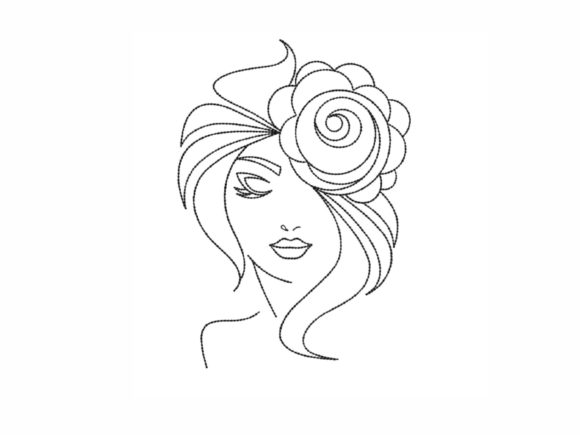
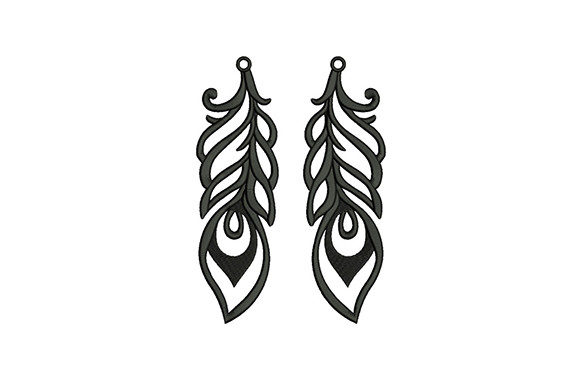
The title Silhouette Earrings immediately sets a specific tone. We are not looking at a busy, multi-colored floral arrangement or a rustic, hand-drawn sketch. Instead, we are dealing with a shape defined by its outline and negative space. In the world of branding, silhouettes are powerful because they are instantly recognizable. This design feels premium, clean, and decidedly modern. For a handmade brand, a creative studio, or a local boutique, this kind of visual language communicates sophistication without being overly ornate.
One crucial detail noted in the product description is that this design utilizes only 1 Color. From a production standpoint, this is a massive advantage. Single-color designs are the workhorses of commercial embroidery. They reduce thread changes, minimize production time, and lower the risk of registration errors. For a small business owner ordering fifty embroidered aprons or a hundred tote bags, a one-color design like Silhouette Earrings keeps costs down while maintaining a high-end look. It strips away the noise, allowing the shape itself to do the heavy lifting for brand recognition.
Real-World Business Applications
So, where does Silhouette Earrings actually shine in a commercial setting? Let's imagine a few scenarios. First, consider a local beauty salon or a freelance makeup artist. Using this design as a chest logo accent on black polo shirts or as a subtle mark on the pocket of a stylist's smock creates an immediate association with their craft. Because it is a silhouette, it works exceptionally well as an embroidered patch. You could have these manufactured in bulk with a merrowed edge and sew them onto denim jackets, canvas tote bags, or even the back of baseball caps.
For Etsy sellers and crafters, this design offers versatility beyond apparel. Imagine a jewelry maker who wants to brand their packaging. Stitching this silhouette onto a small fabric tag attached to a velvet pouch adds a tactile, handmade quality that paper labels simply cannot match. It elevates the perceived value of the finished product. Furthermore, for event merch, such as a bridal shower or a women's networking mixer, this design could be quickly stitched onto ribbon sashes or fabric favors. Its simplicity ensures that it remains legible even when scaled down for smaller items like key fobs or zipper pulls.
The extensive list of EMBROIDERY FILE FORMATS provided—including DST, PES, EXP, JEF, and VIP—means this asset is compatible with almost any industrial or home embroidery machine. Whether you are running a Tajima in a large shop or a Brother PE800 in a home studio, the compatibility is there. This universality is vital for small business merch creators who may outsource production to different decorators depending on volume.
Critical Considerations for Production
While the aesthetic is strong, a professional review must address potential pitfalls. The term "silhouette" implies solid fills or dense satin columns. If the design relies heavily on solid fill stitches, stitch density becomes a primary concern. On textured fabrics like thick cotton tote bags or pique polo shirts, a dense silhouette can cause puckering if not properly stabilized. Before committing to a large run of custom apparel, I always advise testing the design on the exact fabric intended for use.
Placement is another factor. If you plan to use Silhouette Earrings for cap embroidery, remember that the front panel is curved. Detailed outlines can distort on curved surfaces. A silhouette is generally safer than fine text, but you must ensure the hoop size accommodates the curve without skipping stitches. Similarly, for apron embroidery, consider the weave of the fabric. Linen aprons, popular in cafes and bakeries, have a loose weave that might not support a tight silhouette well without a cutaway stabilizer.
Since the design uses only one color, contrast is king. If a client wants this stitched onto a dark navy uniform, using black thread would be a disaster. You must ensure the thread color chosen provides sufficient pop against the background fabric. White, silver, or gold metallic threads often work best for silhouette designs on dark goods, enhancing that premium feel.
Impact on Brand Identity and Trust
In the competitive landscape of small business, consistency builds trust. Using a cohesive set of design assets across all touchpoints—from employee uniforms to packaging—is essential. Silhouette Earrings fits beautifully into a modern branding strategy. It says, "We pay attention to details." When a customer receives a product with a cleanly embroidered logo rather than a cheap vinyl transfer, their perception of the brand's quality skyrockets.
This design supports a narrative of craftsmanship. For businesses in the Beauty sector, presenting a polished, professional image is non-negotiable. An embroidered mark suggests permanence and dedication, unlike a printed sticker that might peel. It reinforces the idea that the business invests in quality, which in turn justifies higher price points for their services or products.
Designer Notes and Best Practices
Before you load this file into your machine, here are my practical recommendations for ensuring success:
- Test in Black and White First: Even though it is a one-color design, stitch it out in black thread on white fabric and vice versa to check for clarity and coverage.
- Check Small Patch Sizes: If you intend to make small patches, verify that the details of the earring silhouette do not merge together. Fine points can get lost if the design is too small.
- Review Thread Contrast: Ensure your thread choice stands out against the garment color. High contrast equals high visibility.
- Inspect Spacing: Look closely at the digitizing. Are there jump stitches that need trimming? Is the underlay sufficient for the top fabric?
- Confirm Hoop Size: Check the dimensions of the design against your available hoops to ensure it fits without re-hooping.
- Use Proper Stabilizer: Match your stabilizer to the fabric weight. Stretchy knits need cutaway; woven canvases might do fine with tear-away.
- Create a Printable Mockup: Before stitching, place the design on a photo of the garment to visualize the final look for client approval.
- Verify Licensing: Always confirm the commercial licensing terms included with the digital embroidery file to ensure you have the right to sell items featuring this design.
The product description lists a wide array of formats like ART, CND, DSB, DSZ, HUS, PCS, PEC, SEW, TAP, VP3, VP4, and XXX. While this indicates broad compatibility, it does not specify the exact stitch count or precise dimensions. These are critical metrics for production planning. I strongly advise checking the specific file properties once downloaded to ensure the stitch count aligns with your production speed goals and the dimensions fit your intended placement area.
In conclusion, Silhouette Earrings is a versatile, professional-grade asset that holds significant potential for small businesses in the beauty and lifestyle sectors. Its single-color construction makes it cost-effective and efficient, while its elegant shape offers a timeless appeal. With proper testing and attention to fabric and stabilization, this design can become a cornerstone of a brand's visual identity, turning simple merchandise into powerful tools for customer engagement and brand loyalty.