Hipster Otter: A Pro Review for Small Business Merch
As an embroidery designer who spends countless hours digitizing and testing files for commercial use, I know that finding the right machine embroidery design is about more than just cuteness. It is about viability. When a client approaches me with a request for branded merchandise, they need assets that translate well from a screen to a physical finished product. Recently, I took a close look at the Hipster Otter from the Wild Animals collection to see if it holds up under the scrutiny of professional application. This review is written specifically for small business owners, Etsy sellers, and apparel decorators looking to elevate their brand identity with unique, high-quality stitching.
First Impressions: Visual Personality and Brand Fit
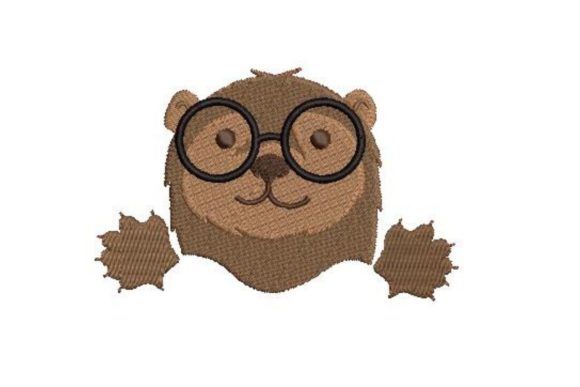
The moment you load the digital embroidery file for Hipster Otter, the vibe is immediately clear. This is not a stiff, corporate logo; it is friendly, playful, and undeniably modern. The "hipster" aesthetic suggests a brand that values creativity, approachability, and perhaps a touch of rustic charm. For a boutique coffee shop, a local florist, or a handmade craft studio, this design hits the sweet spot between professional and personable.
Unlike generic wildlife motifs that can feel too aggressive or overly realistic, this otter feels curated. It works exceptionally well as a handmade product accent. If your brand identity relies on being welcoming and community-focused, this design serves as a perfect visual ambassador. However, for industries requiring strict seriousness, such as law or finance, this might be too casual. The key here is understanding your audience. For creative studios and lifestyle brands, Hipster Otter offers a distinct personality that helps you stand out in a crowded market.
Real-World Applications for Commercial Embroidery
The true test of any embroidery file is its versatility across different substrates. In my evaluation for commercial embroidery projects, I identified several high-value applications where Hipster Otter shines:
- Embroidered Patches: This is arguably the strongest use case. The design's bold lines and character-focused composition make it ideal for iron-on or sew-on patches. These can be sold as standalone merchandise or used to upgrade plain inventory like denim jackets and canvas bags.
- Staff Uniforms and Aprons: For a bakery or café, placing this otter on the chest pocket of an apron embroidery project adds a delightful touch of branding without overwhelming the uniform. It humanizes the staff and creates a conversation starter with customers.
- Cap Embroidery: The compact nature of the design fits well on the front panel of a dad hat or trucker cap. It serves as a subtle yet recognizable mark of the brand.
- Tote Bag Design: Canvas tote bags are a staple for eco-friendly brands. Hipster Otter provides a charming focal point that encourages customers to actually use the bag in public, turning them into walking billboards.
- Product Packaging Accents: Small-scale versions of the design can be stitched onto fabric tags attached to packaging, adding a premium feel to the unboxing experience.
By integrating this design into your small business merch strategy, you create a cohesive visual language. Whether it is on a work shirt or a customer gift, the consistency builds recognition and trust.
Technical Considerations and Production Challenges
While the aesthetic appeal is high, a professional designer must always address the technical realities of production. The description notes that the design comes in multiple formats, which is excellent for compatibility, but specific technical details like exact stitch count and recommended hoop size are not explicitly listed in the provided summary. Before running a production batch, you must verify these specifications.
Here are critical areas where caution is required when using Hipster Otter:
- Stitch Density and Texture: Playful designs sometimes utilize high stitch density to achieve a plush look. On thick fabrics like towels or heavy canvas, this is rarely an issue. However, on lightweight performance fabrics or silk blends, high density can cause puckering. Always test on the actual fabric texture you intend to use.
- Small Scale Legibility: If you plan to use this as a tiny sleeve detail or on a small patch, ensure the fine details of the "hipster" elements (like glasses or accessories) do not merge together. Tiny lettering or intricate outlines can disappear if the design is scaled down too far.
- Curved Surfaces: For cap embroidery, the curvature of the front panel can distort wide designs. Ensure the aspect ratio of the otter works within the limited vertical space of a cap buckram.
- Thread Color Contrast: The charm of this design likely relies on specific thread colors. When adapting it for dark uniforms, you may need to adjust the underlay or add a backing to prevent the fabric color from bleeding through and muting the vibrant tones of the otter.
Impact on Brand Identity and Customer Trust
In the era of handmade and artisanal goods, the perceived value of a product is heavily influenced by its presentation. Using a well-executed embroidered patch or direct stitch elevates a simple item into a branded asset. Hipster Otter contributes to a brand narrative that says, "We pay attention to details, and we have a sense of humor."
This level of professionalism fosters customer trust. When a buyer sees consistent, high-quality embroidery on your custom apparel or packaging, they subconsciously associate that quality with your core products. It signals that you are an established entity, not just a hobbyist. Furthermore, unique design assets like this encourage buyer engagement. Customers are more likely to share photos of cute, branded merchandise on social media, providing you with free marketing and expanding your reach.
Professional Designer Notes for Implementation
To ensure the success of your project involving Hipster Otter, I recommend following this checklist before committing to a full production run:
- Test in Black and White: Before ordering colorful threads, stitch a sample in black and white to check the clarity of the lines and the balance of the design elements.
- Verify Commercial Licensing: The description mentions creating decorations, but for small business merch intended for resale, you must confirm the license terms allow for commercial use. Do not assume; read the fine print.
- Check Hoop Size Compatibility: Confirm that the design fits within your machine's available hoop sizes, especially if you are working with smaller items like socks or narrow straps.
- Use Proper Stabilizer: Match your stabilizer to the fabric weight. A cut-away stabilizer is often best for garments that will undergo frequent washing to maintain the integrity of the stitch.
- Create a Printable Mockup: Before stitching, create a printable mockup to show your client or to visualize the placement on the garment. This saves time and materials if adjustments are needed.
- Compare Design Assets: Place Hipster Otter beside your existing logo or other design assets to ensure visual consistency in style and weight.
In conclusion, Hipster Otter is a versatile and engaging option for businesses looking to inject personality into their branded goods. With careful attention to technical details and proper testing, it can become a cornerstone of your Wild Animals themed collection or a standout piece in your broader Embroidery catalog. By treating this design as a strategic business tool rather than just a decoration, you maximize its potential to drive sales and strengthen your brand presence.