Worried Emoji: A Designer's Review for Boutique Sweatshirts
As an embroidery designer who has spent years digitizing and stitching for small clothing brands, I know that the difference between a "cute idea" and a best-selling handmade product often comes down to the specific character of the design. When I first pulled up the Worried Emoji machine embroidery design on my screen while planning a limited drop for a client's boutique brand, my immediate reaction was one of cautious optimism. In the current market, where Etsy seller shops are flooded with generic graphics, finding a design that conveys genuine emotion without looking cheap is a rare win.
This review breaks down how the Worried Emoji performs when translated from a digital embroidery file to a tangible, premium garment. We are looking at this through the lens of a real-world production scenario: preparing a cozy, oversized sweatshirt collection for the upcoming season. The goal is to determine if this asset can carry the weight of a commercial release.
First Impressions: Mood and Stitch Personality
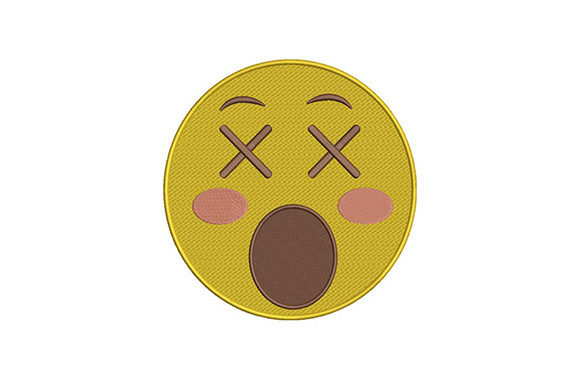
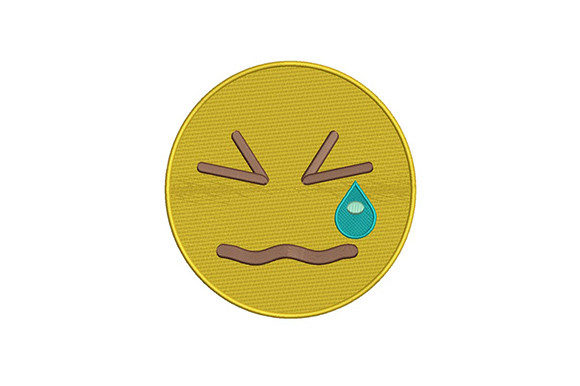
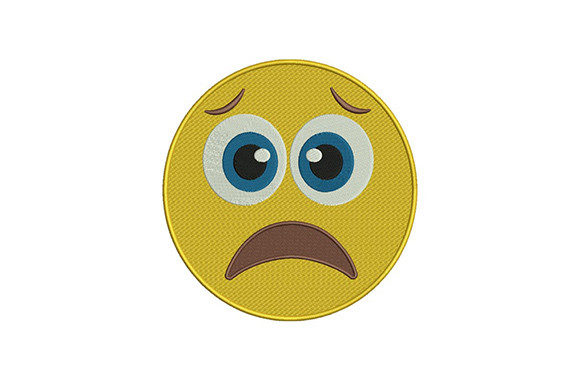
The first thing you notice about the Worried Emoji is its expressive simplicity. Unlike some emoji designs that rely on overly complex gradients or tiny, fragile details that get lost in translation, this design seems to prioritize bold, readable lines. The "worried" expression—typically characterized by furrowed brows and a wavering mouth—requires a delicate balance. If the stitch work is too heavy, the face looks angry; if it is too light, the emotion disappears.
In terms of stitch density, a design like this needs to be substantial enough to pop against thick fleece but light enough to prevent puckering. From a visual standpoint, the layout feels versatile. It strikes a chord that is both playful and relatable, fitting perfectly into the "Friends" category of emotions that resonate with younger demographics. It isn't just a graphic; it is a mood. For a small shop product, this kind of emotional connection is what drives customer engagement and shares on social media.
Fabric Compatibility and Color Strategy
When testing the Worried Emoji for sweatshirt embroidery, fabric texture plays a massive role. I envision this design working exceptionally well on neutral tones like oatmeal, heather grey, or sage green. On these lighter, natural fabrics, the thread colors of the emoji (likely bright yellows and stark blacks) will create a high-contrast, crisp finish that screams quality.
However, the real test is dark fabric. If you are running this on a midnight blue or charcoal hoodie, you must ensure the yellow fill stitches have enough coverage. A common pitfall in commercial embroidery is seeing the dark fabric peek through light thread. Assuming the digitizer has accounted for this with appropriate underlay, the Worried Emoji should glow warmly against dark backgrounds, creating a cozy, nighttime aesthetic perfect for fall and winter collections.
For pastel colors, such as blush pink or baby blue, the design takes on a softer, more feminine vibe. Here, the embroidery acts as a cute accent rather than a bold statement. This versatility allows a boutique brand to release a single design across multiple colorways, maximizing the value of the embroidery file purchase.
Placement Strategies for Maximum Impact
Where you place the Worried Emoji dictates its perceived value. For a standard hoodie design, a left-chest placement (approximately 3 to 4 inches wide) offers a subtle, branded look. It feels exclusive, like a secret handshake between the wearer and the brand. This is ideal for customers who prefer minimalism.
Conversely, scaling the design up for a large back print transforms the garment into a statement piece. On an oversized sweatshirt, a large central back embroidery can serve as the focal point of lifestyle product photography. Imagine a model wearing the hoodie with the worried face prominently displayed on the back, paired with jeans and boots; it tells a story of modern anxiety and comfort that resonates deeply with today's consumer.
Another creative avenue is sleeve accents. Placing a smaller version of the Worried Emoji near the cuff adds a surprising detail that customers love to discover. This level of detail elevates the item from a basic blank to a thoughtfully designed custom apparel piece.
Technical Considerations for Production
Before sending this to production, there are critical technical factors to address. Since the product description notes that the design comes in multiple formats, it is essential to select the correct hoop size for your machine to ensure the design fits without needing to re-hoop or split the image. Always check the specific dimensions provided in the file package.
Stabilizer choice is non-negotiable when working with stretchy sweatshirt materials. A cut-away stabilizer is generally recommended for knits to provide long-term durability and prevent the embroidery from sinking into the fabric after multiple washes. Given the likely round shape of the emoji, hoop placement must be precise to avoid distortion. If the design is not centered perfectly, the asymmetry of the facial features will be immediately obvious to the buyer.
Regarding washing durability, emoji designs with solid fill areas usually hold up well, provided the stitch count is appropriate for the fabric weight. If the design feels too dense, it may cause the fabric to pucker or become stiff. It is always wise to run a test stitch-out on a scrap piece of your actual production fabric. This step verifies the thread colors match your brand palette and ensures the small details, like the eyes and mouth, remain readable at the intended size.
Elevating Brand Identity and Value
Integrating the Worried Emoji into your lineup does more than just add a new SKU; it enhances your brand identity. Using recognizable yet expressive imagery helps build visual recognition. When customers see that specific worried face, they should immediately think of your shop. This consistency builds buyer trust.
Furthermore, high-quality embroidery signals value. A well-executed finished product with clean edges and vibrant threads justifies a higher price point than a screen-printed alternative. For an Etsy seller, showcasing close-up shots of the stitch texture in your printable mockup or listing photos can significantly increase conversion rates. It proves that you are selling a premium handmade product, not a mass-produced commodity.
The Worried Emoji also opens doors for seasonal marketing. It fits perfectly into "cozy season" campaigns, back-to-school stress themes, or even Valentine's Day promotions focusing on relationship jitters. Its adaptability makes it a strong asset for design assets libraries intended for repeated commercial use.
Final Verdict for Creative Entrepreneurs
In conclusion, the Worried Emoji stands out as a robust choice for small clothing brands looking to inject personality into their apparel decorators toolkit. Its strength lies in its emotional resonance and technical adaptability across various fabric textures and colors. Whether used as a subtle chest logo or a bold back graphic, it has the potential to become a signature piece in a boutique collection.
However, success relies on execution. As with any digital embroidery file, the final result depends on your machine settings, stabilizer choice, and fabric selection. Since the provided description mentions multiple formats but does not specify exact stitch counts or license terms, I strongly advise reviewing the included documentation thoroughly before beginning a large production run. Ensure the license covers commercial embroidery if you plan to sell the finished garments.
By paying attention to these details, the Worried Emoji can transform from a simple digital file into a tangible symbol of comfort and style, helping your small shop product line stand out in a crowded marketplace. It is a reminder that sometimes, the most powerful designs are the ones that simply say, "I get it."