Crying Emoji Design Review: A Designer's Take
As an embroidery designer who spends more time staring at stitch maps than most people care to admit, I am always on the lookout for designs that bridge the gap between trendy digital aesthetics and tangible textile art. Emojis have become a universal language, and incorporating them into custom apparel and home decor is a fantastic way to connect with modern buyers. Recently, I evaluated the Crying Emoji Design available on Creative Fabrica to see if it holds up under the scrutiny of a real-world production environment. This isn't just about whether it looks cute on a screen; it is about how it performs when the needle hits the fabric.
First Impressions and Visual Mood
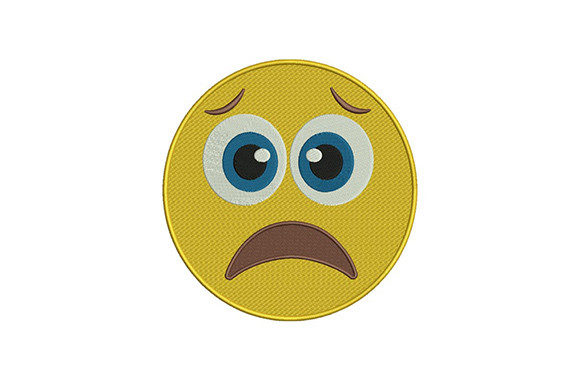
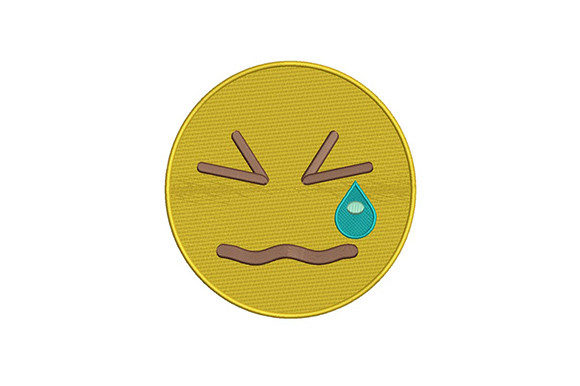
When I first pulled up the preview for the Crying Emoji Design, the immediate takeaway was its expressive character. In the world of Friends and social connection, this specific emoji conveys a range of emotions from overwhelming joy to genuine sadness, making it incredibly versatile for storytelling through thread. The design appears to balance simplicity with enough detail to remain recognizable even at smaller scales. For a designer, the "personality" of a stitch file is crucial. Does it look robotic, or does it have flow? This design seems to offer a clean, rounded aesthetic that translates well to the organic nature of embroidery.
The visual mood is undeniably playful yet emotive. It fits perfectly into the current trend of mixing humor with heartfelt sentiment in handmade goods. Whether you are targeting a younger demographic on Etsy or creating boutique merchandise for a local shop, this type of imagery stops the scroll. It suggests a handmade product that doesn't take itself too seriously but still values quality execution.
Performance in Real Embroidery Projects
The true test of any machine embroidery design is its application across various substrates. I imagined running this file on several common items found in a small business inventory. For sweatshirt embroidery, the bold lines of the emoji would likely pop beautifully against fleece or French terry. The simplicity of the shape means it shouldn't get lost in the texture of heavier fabrics. Similarly, for a tote bag design, this graphic serves as a strong focal point. Tote bags often require designs that are durable and visually striking from a distance, and this emoji fits that bill.
I also considered its use on custom apparel like t-shirts and hoodies. Because emojis are inherently graphic, they work exceptionally well as chest logos or pocket accents. For those interested in creating an embroidered patch, this design is a prime candidate. The closed shapes typical of emoji faces are ideal for merrowed edges or laser-cut backing, allowing crafters to create iron-on or sew-on accessories that can be sold separately or used to embellish denim jackets and caps.
In the realm of nursery decor or baby items, the emotional range of the crying face can be softened with pastel thread colors to create a "sweet tears" motif for a baby shower gift. However, one must be mindful of the context; while cute, ensuring the emotion aligns with the recipient's taste is key for a personalized gift.
Navigating Technical Challenges
Every designer knows that a pretty picture on a monitor does not guarantee a smooth run on the machine. When working with the Crying Emoji Design, there are several practical factors to consider before hitting start. First, stitch density is critical. If the tear drops or the eyes are too densely filled, they can cause puckering, especially on stretchy fabrics like jersey knits. It is highly advisable to test the design on scrap fabric similar to your final project material. This allows you to check if the stabilizer you are using is sufficient to hold the shape without distorting the surrounding fabric.
For those planning to embroider on dark fabric, pay close attention to the contrast. Emojis are typically bright yellow, which stands out well, but ensure your underlay stitches are robust enough to prevent the dark background from showing through the satin or fill areas. Additionally, if you are attempting this on a curved surface like a cap, verify the hoop size compatibility. Caps require specific framing, and if the design is too wide, it might not fit within the standard cap frame without resizing, which could affect the stitch integrity.
Small details, such as the outline of the tears or the mouth curve, need to be inspected closely after the test run. If these elements rely on fine running stitch or thin satin stitch columns, they might be prone to breaking or fraying after frequent washing. Since the product description mentions usage on jackets and hats, durability is paramount. Always review the stitch types used in the file; a good balance of fill stitch for the face and defined outlines will ensure longevity.
Enhancing Product Value and Brand Appeal
Incorporating trending graphics like the Crying Emoji Design can significantly impact your brand consistency and customer engagement. For Etsy sellers and creative entrepreneurs, offering items that reflect current digital culture shows that your shop is relevant and attuned to market trends. This design can elevate a simple pillow cover or kitchen towel into a conversation piece, increasing its perceived value as a unique finished product.
Visual appeal is everything in online sales. When creating printable mockup images for your listings, this emoji provides a strong graphic element that photographs well. High-contrast, recognizable shapes tend to perform better in thumbnail images, potentially driving more clicks to your store. Furthermore, using high-quality design assets from reputable sources like Creative Fabrica ensures that your commercial embroidery products maintain a professional standard, fostering buyer trust.
Final Verdict for Commercial Use
Before integrating the Crying Emoji Design into your commercial lineup, it is essential to do your due diligence. The product description notes that it comes with multiple embroidery file formats, which is excellent for compatibility across different machine brands. However, since specific details like exact stitch count, precise hoop dimensions, and specific license terms for mass production were not fully detailed in the brief overview, I strongly advise visiting the Creative Fabrica embroidery product page directly.
Confirm the licensing agreement to ensure it covers the volume of sales you intend to produce. Check the included formats to match your machine software—whether you need PES, DST, EXP, or others. Also, look for user reviews or photos from other makers to see how the applique design or standard embroidery version has held up for them.
In conclusion, the Crying Emoji Design offers a charming and versatile option for designers looking to inject personality into their commercial embroidery projects. With proper testing regarding tension, stabilizer, and fabric choice, it has the potential to become a staple in your library for creating memorable, marketable goods. Just remember, the secret to success lies not just in the download, but in the careful execution and thoughtful presentation of the final stitched item.