Special Forces Lineart Design: A Crafter's Review
As an experienced embroidery designer preparing for a busy weekend at the local craft fair, I spend a lot of time scrutinizing my digital library before committing thread to fabric. The goal is always the same: finding designs that stop customers in their tracks and convert browsers into buyers. Today, I am evaluating the Special Forces Lineart Design to see if it earns a spot on my display table alongside my best-selling handmade products. This isn't just about aesthetics; it is about practicality, production speed, and market appeal for military-themed goods.
First Impressions and Visual Appeal
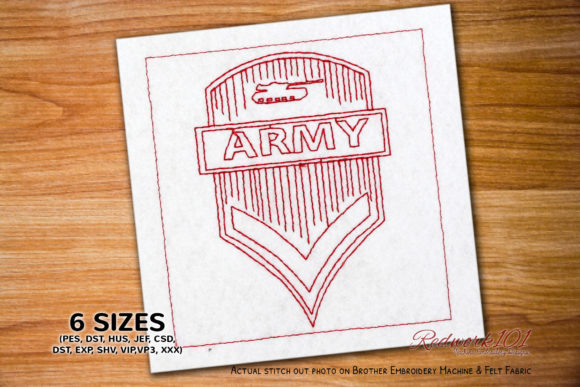
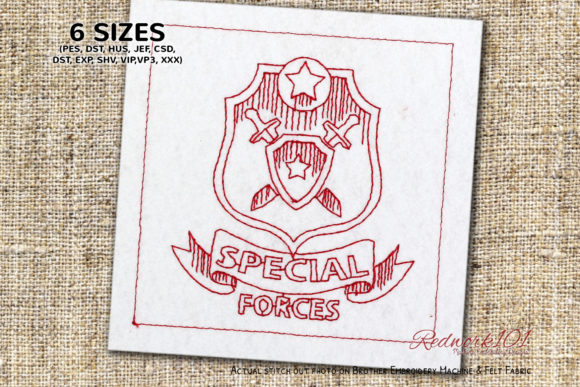
The first thing that strikes me about the Special Forces Lineart Design is its clarity. In a crowded booth filled with colorful florals and rustic farmhouse quotes, a clean lineart design offers a refreshing change of pace. The description notes that "Special Forces are needed in life, so we can live peacefully," which immediately sets a tone of respect and gratitude. This emotional connection is vital for selling craft fair products. Customers love items that honor service members, and this design feels both modern and timeless.
The mention of "redwork embroidery" suggests a single-color execution, likely using a bold red thread. This minimal approach is incredibly trendy right now. It feels less like a heavy, dense military emblem and more like a stylish, graphic element. For a boutique maker, this versatility is gold. It can look elegant on a neutral linen tote or striking on a dark canvas apron. The optional "Box Stitch" mentioned in the product details adds a nice touch of texture without overwhelming the clean lines, giving me the flexibility to customize the look based on the specific item I am producing.
Product Suitability and Market Placement
When setting up my booth, I need to visualize exactly where this machine embroidery design will shine. Here is how I see it performing across different categories:
- Tote Bags and Market Bags: This is arguably the strongest contender. A large-format tote bag design featuring this lineart on natural canvas creates an instant statement piece. The simplicity of the line work ensures it reads well from a distance, catching the eye of shoppers walking down the aisle.
- Kitchen Linens: For tea towel embroidery and apron embroidery, the redwork style is perfect. It mimics the vintage aesthetic that many home decorators crave. Placing this on a flour sack towel creates a high-value handmade product that feels premium yet accessible.
- Patches and Caps: Military themes naturally lend themselves to patches. If the embroidery file allows for a satin border, this could become a best-selling embroidered patch for jackets or bags. On caps, the lineart works well on the front panel, provided the curve of the hat doesn't distort the finer details.
- Pillow Covers and Pouches: As a focal point on a decorative pillow or a small zipper pouch, this design adds a touch of sophistication. It moves away from camouflage patterns and into the realm of subtle, meaningful decor.
Production Practicality for Small Shops
For any Etsy seller or creative entrepreneur, time is money. One of the biggest advantages of the Special Forces Lineart Design is its likely efficiency. Lineart designs typically have lower stitch density compared to full-fill logos. This means less thread consumption, faster run times, and reduced wear on your machine needles. This makes it an ideal candidate for batch production. If I plan to sell twenty matching tea towels, this design allows me to hoop and stitch quickly without sacrificing quality.
Photography is another critical factor. In the world of online sales, your printable mockup and actual product photos must be crisp. Because this design relies on strong lines rather than complex shading, it photographs exceptionally well. It creates high contrast in images, making your Etsy listings pop against various background colors. Whether you are creating design assets for social media or shooting your finished product for a catalog, the visual impact remains consistent.
Critical Considerations for Execution
While the design shows great promise, a professional review requires looking at potential pitfalls. Before running a full production batch, I always advise testing on scrap fabric. Here are specific areas to watch:
- Fabric Texture: Lineart can get lost on highly textured towels or thick, nubby fabrics. Ensure the thread colors provide enough contrast against the material. A bright red on a dark navy works, but red on a busy patterned fabric might vanish.
- Small Details: If the design includes tiny text or very fine connecting lines, verify that they do not break apart during stitching. Small lettering often becomes illegible if the hoop size is reduced too much.
- Stabilizer Choice: Even with low-density designs, using the right stabilizer is crucial. For stretchy fabrics like t-shirts or caps, a cut-away stabilizer prevents distortion over time. For woven linens, a tear-away might suffice, but always test first.
- Curved Surfaces: When applying this to caps, remember that the curvature can compress the design. What looks proportional flat on the screen might look squashed on a structured hat.
Maximizing Value and Brand Consistency
Incorporating the Special Forces Lineart Design into your inventory can significantly boost your brand's perceived value. It signals to customers that you offer thoughtful, meaningful items rather than generic novelty goods. The narrative that "Special Forces are needed in life, so we can live peacefully" provides a ready-made story for your marketing. You can use this sentiment in your booth signage or product descriptions to deepen buyer engagement.
Furthermore, because the color of the thread is customizable (as hinted by the incomplete description regarding color options), you can easily adapt this digital embroidery file to match seasonal trends or specific branch colors without needing a new design. This flexibility allows for a cohesive small shop product line where everything feels related but unique.
Final Verdict for Commercial Use
Overall, the Special Forces Lineart Design is a strong contender for any commercial embroidery business targeting the military support niche or general patriotic holidays. Its blend of minimalism and meaning makes it versatile enough for high-end boutique items and casual everyday goods. However, success lies in the details. Always confirm the specific stitch density and recommended hoop size provided by the designer, as these were not explicitly detailed in the short product snippet. Additionally, strictly review the licensing terms to ensure you have the right to sell finished products made with this file.
By testing the design on various materials, paying attention to thread contrast, and leveraging its clean aesthetic for photography, this design can become a staple in your craft fair lineup. It represents the kind of thoughtful craftsmanship that turns a simple transaction into a memorable customer experience.