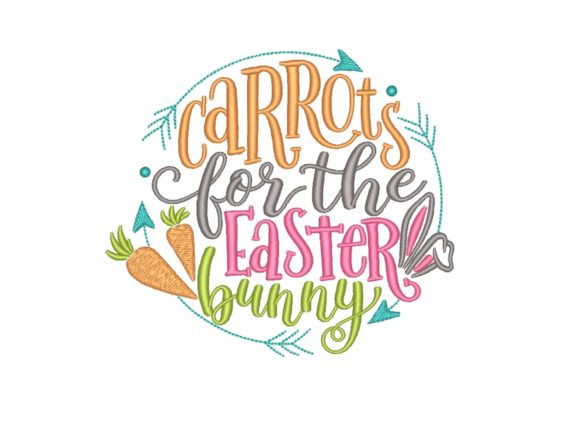
Review: Carrots for the Easter Bunny Design
As we approach the busiest season for spring retail, my design table is covered in swatches, thread spools, and digital previews. The goal is always the same: curate a collection that feels fresh, festive, and commercially viable. This year, I am taking a close look at Carrots for the Easter Bunny, a machine embroidery design that promises to bring a playful touch to our seasonal lineup. Having spent years evaluating digital embroidery files for everything from high-end apparel to rustic home decor, I approach this review with a critical eye toward stitch quality, market appeal, and practical application for small shop owners and Etsy sellers.
First Impressions and Seasonal Mood
Upon loading the embroidery file into my digitizing software, the first thing that strikes me is the inherent cheerfulness of the motif. Carrots for the Easter Bunny captures that specific blend of whimsical and nostalgic that defines successful holiday embroidery. It is not overly complex, which is a strength; it avoids the clutter that can plague seasonal designs, opting instead for clean lines and recognizable shapes that read well from a distance. The emotional tone is undeniably cute and inviting, perfect for triggering that "must-have" impulse in customers looking for handmade gifts.
The decorative style leans towards a modern-rustic aesthetic. It feels at home on a linen tea towel just as much as it does on a children's hoodie. For those of us building a brand around cozy, family-oriented products, this design offers a versatile foundation. It lacks the heavy saturation of vintage styles, making it adaptable to current color trends without losing its identity as a classic Easter symbol.
Real-World Application for Sellers
When planning a small shop product drop, versatility is key. I immediately envisioned Carrots for the Easter Bunny anchoring several different product categories. For apparel decorators, this is an ideal candidate for sweatshirt embroidery. Placed on the left chest or as a small pocket detail, it elevates a basic garment into a limited-edition seasonal piece. Imagine a collection of matching family sweatshirts; this design is simple enough to be cost-effective for multiple units yet distinct enough to serve as the focal point.
Beyond clothing, the potential for home goods is immense. A kitchen towel embroidery project using this motif would sell quickly in boutique markets. The design's simplicity ensures it doesn't get lost in the texture of waffle weave or flour sack cotton. Furthermore, it translates beautifully to accessories. A tote bag design featuring these carrots could be the perfect upsell item at craft fairs, appealing to shoppers looking for reusable bags with a seasonal twist. For those creating personalized gifts, adding a name or date below the carrots creates a high-value item with minimal extra effort.
In terms of marketing, this design lends itself well to printable mockup creation. Because the shapes are bold, they render clearly in social media previews and product listings, helping to drive engagement during the critical pre-holiday shopping window. Whether you are an Etsy seller optimizing thumbnails or a vendor setting up a booth display, the visual recognition factor here is strong.
Technical Considerations and Fabric Compatibility
While the aesthetic appeal is high, a professional review must address the technical execution. When working with any digital embroidery file, understanding where the design might struggle is crucial for maintaining quality control. Carrots for the Easter Bunny appears to have moderate detail, but caution is advised when stitching on challenging surfaces.
- Fabric Texture: On thick towels or looped fabrics, ensure your needle penetrates cleanly to avoid skipped stitches. The design may need slight density adjustments if the fabric texture is particularly coarse.
- Dark Fabric: If you plan to stitch this on navy or black garments, test your thread colors rigorously. You may need to adjust the underlay or use a brighter orange to ensure the carrots pop against the dark background.
- Stretchy Garments: For knitwear, the use of a cut-away stabilizer is non-negotiable to prevent distortion after washing. The design should hold its shape, but the fabric movement can stress the stitches if not properly supported.
- Small Hoop Sizes: While the design seems compact, always confirm the required hoop size before committing to a project like curved caps or small patches. Crowding the hoop can lead to framing issues.
- Layered Details: If the design includes overlapping elements, check the stitch density in those areas. Too many layers can create a stiff, cardboard-like feel on lightweight fabrics.
It is also worth noting that metallic threads, while tempting for a festive shine, can be unpredictable with intricate paths. Unless you have tested metallics with this specific file, sticking to high-sheen rayon or polyester is safer for consistent results.
Enhancing Seasonal Appeal and Brand Value
Incorporating Carrots for the Easter Bunny into your collection does more than just add a product; it enhances your brand's seasonal relevance. Customers trust shops that offer timely, cohesive collections. By using this design across various items—perhaps pairing an embroidered patch with a pillow cover—you create a sense of brand consistency that encourages larger basket sizes.
The giftability of this design is exceptionally high. It taps into the tradition of the Easter bunny without being religiously specific, making it suitable for a wide demographic. This broad appeal increases customer trust and reduces the hesitation often associated with niche holiday items. Furthermore, because the design is digital, it allows for rapid prototyping. You can test market reaction with a small batch of finished products before committing to large-scale commercial embroidery runs.
Designer Notes for Best Results
To ensure your finished product meets professional standards, I recommend a few final steps before listing items for sale. First, always stitch a test sample on both light and dark fabric to verify color contrast. Second, review the small details after stitching; look for any loose jumps or trim points that might need manual cleanup. Third, plan your color palettes in advance. While orange and green are traditional, consider pastels or earth tones to match current interior design trends.
Finally, and most importantly, confirm the licensing terms. The description notes that the design comes with multiple options, but it does not explicitly state the commercial rights. Before selling any items featuring Carrots for the Easter Bunny, verify that your purchase includes a license for commercial embroidery use. Protecting your business from intellectual property issues is just as important as the quality of your stitching.
In conclusion, Carrots for the Easter Bunny is a robust, versatile asset for any embroidery designer looking to capitalize on the spring season. With careful attention to stabilizer choice, fabric selection, and licensing, it has the potential to become a bestseller in your holiday collection.