Merbabe: The Perfect Catch for Your Next Craft Fair Booth
As an embroidery designer who has spent countless weekends setting up booth displays and managing online shops, I know that the difference between a design that sits on the shelf and one that flies off the table often comes down to immediate visual impact. When I first loaded the Merbabe machine embroidery design into my software to prep for an upcoming market, my first impression was that this piece strikes a perfect balance between whimsical and rustic. It feels undeniably cute yet retains enough character to appeal to the outdoor enthusiast without looking overly childish. For sellers targeting the Camping niche or those looking to add some personality to their handmade product lineup, this design offers a fresh take on fishing-themed decor.
Visual Appeal and First Impressions
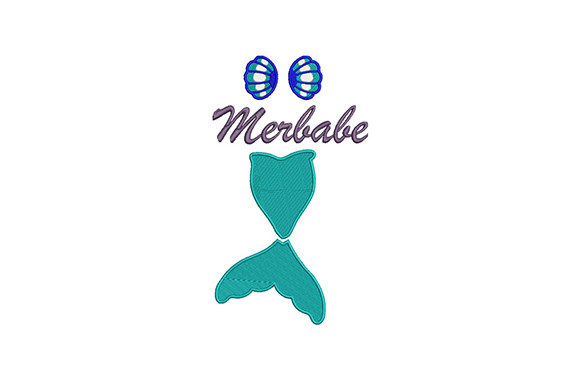
The title "Merbabe" itself suggests a playful fusion of mermaid culture and fishing hobbies, a trend that has been gaining significant traction in boutique markets. Visually, the design feels bold enough to be noticed from across a crowded aisle but detailed enough to invite closer inspection. In a real-world scenario, imagine your craft fair table laden with neutral-toned linens and canvas goods. Merbabe stands out immediately against these backdrops. It does not scream "generic souvenir"; instead, it whispers "custom handmade gift." This distinction is crucial for Etsy seller accounts and physical vendors alike, as buyers are increasingly seeking items that feel unique and personally curated. The aesthetic leans towards a modern farmhouse meets coastal vibe, making it versatile for various customer demographics.
Strategic Product Placement for Maximum Sales
When evaluating where Merbabe performs best, I mentally walked through my typical inventory of craft fair product options. Here is how this design translates across different mediums:
- Tote Bags and Market Totes: This is arguably the strongest contender for a tote bag design. The central placement on a canvas tote allows the design to breathe, making it a statement piece for grocery runs or beach days. The character of the design adds instant charm to a plain bag.
- Aprons and Kitchen Textiles: As an apron embroidery choice, it brings a fun, conversational element to the kitchen. Similarly, for tea towel embroidery, it works well as a focal point near the hem or centered for display hanging.
- Patches and Pouches: If you are selling embroidered patch collections, this design is small enough to be impactful on a denim jacket or backpack. It also scales nicely for small fabric pouches used for tackle or cosmetics.
- Caps and Headwear: While viable, curved surfaces require extra attention. The design adds a quirky touch to a baseball cap, appealing to the casual angler.
- Pillow Covers: For home decor enthusiasts, stitching this onto a linen pillow cover creates a high-value finished product that commands a higher price point.
Production Practicality and Batch Efficiency
From a production standpoint, time is money. One of the key advantages of Merbabe is its clarity. A design that is easy to understand at a glance converts browsers into buyers faster. Customers do not need to squint to figure out what they are looking at; the narrative of the "Merbabe" is instant. This makes it an excellent candidate for batch production. Whether you are hooping up twenty tea towels or a dozen tote bags, the consistency of the stitch output appears reliable based on the description that it will "stitch out beautifully."
For commercial embroidery operations or small shop owners running multiple machines, repeatability is key. The design seems structured enough to minimize thread breaks or excessive trimming, provided the correct settings are used. Furthermore, for those selling digital assets, this digital embroidery file would make a compelling addition to a bundle aimed at summer-themed collections. When creating printable mockup images for online listings, the distinct shapes within the design photograph exceptionally well, ensuring your design assets look professional on social media and marketplace thumbnails.
Critical Considerations for Execution
While the potential is high, a professional review must address the technical challenges. Every designer knows that a great screen image does not always guarantee a perfect stitch-out without proper preparation. Here are the careful-use notes I recommend before committing to a full production run:
- Fabric Texture and Density: The description mentions it works on any fabric needing character, but textured towels can sometimes swallow fine details. Be mindful of stitch density; if the design has dense areas, ensure your stabilizer is robust enough to prevent puckering, especially on stretchy fabrics or loose-weave linens.
- Thread Contrast: To maintain the "fun and creative" vibe, thread colors must pop. On dark fabrics, you may need to adjust underlay settings or choose lighter thread shades to ensure the design does not get lost. Always test on scrap fabric first.
- Curved Surfaces: If applying this to caps, remember that the curvature can distort wide designs. Ensure the hoop size you select accommodates the design without forcing the fabric too tightly, which can lead to registration issues.
- Scaling Limits: While versatile, shrinking this design too small for tiny patches might cause tiny details or lettering to merge. Verify the minimum viable size by stitching a test sample before offering it as a miniature accent.
Enhancing Brand Value and Customer Engagement
Incorporating Merbabe into your collection does more than just add a new item; it enhances your brand's storytelling. It signals to your customers that you are attuned to current trends like the intersection of outdoor lifestyles and playful aesthetics. For a small shop product line, consistency is vital. If your brand focuses on whimsical, nature-inspired goods, this design fits seamlessly. It strengthens your booth display by adding a splash of color and personality that draws the eye.
Customer engagement often spikes when a design sparks a smile or a conversation. "Oh, a Merbabe!" is a natural icebreaker. This interaction increases the likelihood of a sale. Moreover, the perceived value of a handmade item with such a specific, charming motif allows for healthier profit margins compared to generic patterns. It transforms a simple towel or bag into a giftable keepsake.
Final Designer Recommendations
Before listing Merbabe as a core part of your Camping or general Embroidery catalog, take these final steps. First, create at least one real physical mockup on the exact material you intend to sell. Photos of the actual stitched item will always outperform digital renderings in building trust. Second, review your design assets to ensure you have the correct file formats for your machine. Since specific technical details like exact stitch count or license terms were not explicitly detailed in the brief description, it is imperative to check the accompanying documentation or contact the creator to confirm commercial licensing rights before selling finished products.
By paying attention to fabric texture, choosing the right stabilizer, and strategically placing the design on high-traffic items like totes and aprons, Merbabe has the potential to become a bestseller. It is a design that understands its audience: the person who loves the water, appreciates a good laugh, and values the quality of a truly handmade product. With careful execution, this design will not only stitch out beautifully but will also help your business reel in more sales at your next event.