Teddy Bear Stuffie: A Craft Fair Best-Seller Review
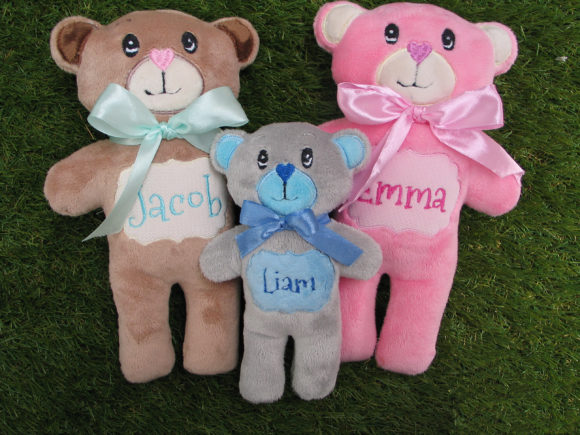
As an embroidery designer who has spent countless weekends setting up booth displays at local craft fairs and handmade markets, I know that the difference between a design that gathers dust and one that flies off the table often comes down to immediate visual impact and production practicality. When I first loaded the Teddy Bear Stuffie machine embroidery design onto my screen, my initial reaction was one of warmth and nostalgia. This isn't a complex, high-stitch-count masterpiece intended for wall art; rather, it is a charming, accessible motif perfectly suited for the fast-paced world of craft fair product creation. The description promises an adorable result that children will adore, and in my experience, items that evoke childhood innocence are perennial winners in the small shop product category.
First Impressions and Market Appeal
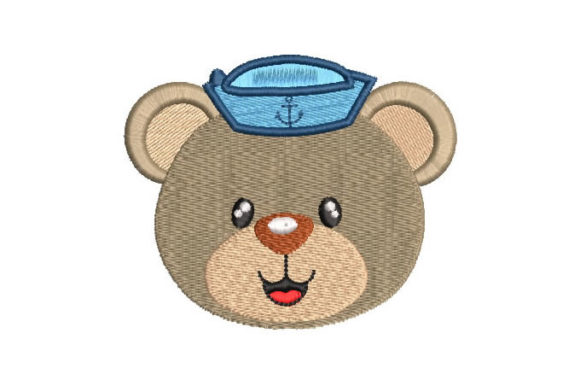
The aesthetic of the Teddy Bear Stuffie leans heavily into the "soft" and "cute" categories, with a touch of classic farmhouse charm depending on your thread choices. It does not scream "modern minimalism" or "bold graphic," but instead offers a gentle, inviting presence. For an Etsy seller or boutique maker, this versatility is gold. The design feels approachable. When I imagine this stitched onto a natural linen tote bag with earthy thread tones, it fits perfectly into the current trend of sustainable, handmade goods. Conversely, using bright primary colors on a white canvas tote transforms it into a playful item specifically targeting parents and grandparents looking for unique gifts. The key here is that the design is easy to understand at a glance. In a crowded market aisle, customers make split-second decisions. A clear, recognizable silhouette like this Teddy Bears motif stops the eye effectively without requiring explanation.
Product Versatility and Display Strategy
When planning my inventory for a weekend market, I always ask: where does this design perform best? The Teddy Bear Stuffie shines as a focal point on medium-sized items. I can see it thriving as a central tote bag design, positioned right in the middle of the bag for maximum visibility. It also works exceptionally well as apron embroidery, particularly on child-sized aprons or bistro-style adult aprons used for baking. The description notes it is "easy and fun to stitch," which suggests the stitch paths are likely optimized for speed, making it ideal for batch production.
For those looking to diversify, consider applying this to kitchen linens. Tea towel embroidery is a huge seller, and placing this bear near the bottom hem of a waffle-weave towel creates a delightful surprise for the buyer. However, one must be cautious with fabric texture. Highly textured towels can sometimes obscure fine details, so testing on a sample is crucial. Additionally, this design would make a fantastic embroidered patch. If you have a cut-and-sew workflow or use a merrow border machine, turning these into iron-on patches allows customers to customize their own jackets or backpacks, adding a layer of interactivity to your booth.
I would also recommend using this on fabric pouches and small pillow covers. These are low-price-point impulse buys that help increase the average transaction value at your table. While it could work on caps, the curved surface requires careful hooping and potentially a different digitizing version to prevent distortion, so I would prioritize flat goods for this specific file unless you are experienced with cap framing.
Production Realities and Technical Considerations
From a production standpoint, the promise of an "easy" stitch implies a manageable stitch density. This is vital for commercial embroidery where time is money. However, "easy" does not mean "ignore the details." Before committing to a full run of products, you must test the design on scrap fabric that matches your final product. Pay close attention to dense stitch areas; if the bear has solid filled regions, ensure your tension is balanced to prevent puckering, especially on lighter weight fabrics.
Thread contrast is another critical factor. To make the Teddy Bear Stuffie pop, choose thread colors that stand out against your base fabric. A dark brown bear on a navy blue bag might get lost, whereas a caramel tone on cream linen offers excellent definition. Furthermore, always confirm the hoop size required. If the design is large, ensure your machine's maximum hoop capacity can handle it without re-hooping, which introduces alignment risks. Using the right stabilizer is non-negotiable; a cut-away stabilizer is generally safer for items that will be washed frequently, like tote bags and aprons, ensuring the design remains stable over time.
One specific warning for this type of motif: watch out for tiny details that may lose clarity at smaller sizes. If you plan to scale the design down for a pocket accent or a small pouch, verify that the facial features and limbs do not merge into a blob of thread. The description mentions it is a gift for children, implying a certain level of detail that brings the character to life, but these details must survive the stitching process on various materials.
Maximizing Visual Appeal and Brand Consistency
In terms of branding, the Teddy Bear Stuffie supports a cohesive look if you stick to a curated palette of thread colors across all your products. This consistency helps build brand recognition; customers will start to associate that specific shade of honey-gold or chocolate brown with your booth. The design enhances the perceived value of your handmade product because it looks professional yet personal. It avoids the generic feel of mass-produced prints, offering the tactile richness that only Embroidery can provide.
For online sales, this design photographs beautifully. The texture of the stitches catches the light, adding depth to your printable mockup images and real-life photos. When creating listings, highlight the durability and the "gift-ready" nature of the item. Since the description emphasizes it as a wonderful gift, your marketing copy should reflect that emotional connection. Use terms like "heirloom quality" or "cherished keepsake" to elevate the perceived worth.
Final Designer Notes for Success
Before listing this as a commercial embroidery product, there are a few housekeeping tasks to complete. First, create at least one real physical mockup to display at your booth. Digital renderings are good, but customers at craft fairs want to touch and feel the quality of the stitching. Second, compare fabric colors extensively. What looks good on white might fail on black; you may need to adjust thread colors for dark fabrics to maintain visibility. Finally, and most importantly, confirm the licensing terms of your digital embroidery file. Ensure you have the rights to sell finished products made with this design, as licenses vary between personal use and commercial use.
The Teddy Bear Stuffie is a solid contender for any maker's portfolio. It balances cuteness with practicality, offering a high potential for engagement without demanding excessive production time. By paying attention to fabric choices, stabilizer selection, and presentation, this design can become a staple in your inventory, delighting little ones and their parents alike while boosting your bottom line.