Golden Star Machine Design: A Pro Review for Real Projects
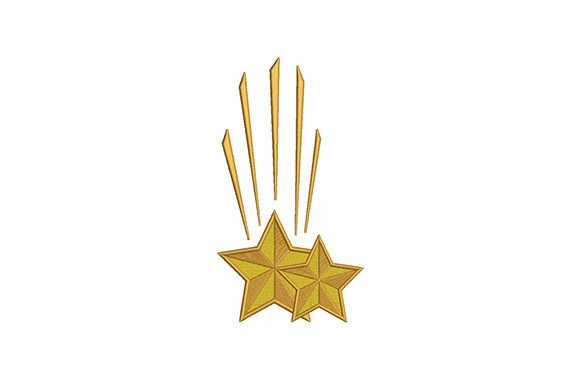
When I first pulled up the Golden Star Machine Design on my screen, my immediate reaction wasn't just about the shape; it was about the potential. As a designer who spends hours tweaking files and watching machines churn out hundreds of stitches, I look for more than just a cute graphic. I look for reliability, visual impact, and versatility. This design, categorized under Boys but possessing a universal charm, strikes a balance between playful energy and clean execution that makes it a strong contender for various embroidery projects.
First Impressions: Mood and Visual Personality
The aesthetic of this file is warm and inviting. The "golden" aspect suggests a richness that translates beautifully when using metallic or high-sheen rayon threads. Unlike some star designs that feel too rigid or geometric, this one has a softness to its points that prevents it from looking aggressive. It feels like a design meant to bring a touch of magic to everyday items.
In terms of layout, the design appears balanced, which is crucial for maintaining symmetry during stitching. For those of us creating handmade products, the visual personality of a design dictates the entire vibe of the finished product. This star feels at home on a nursery blanket just as much as it does on a trendy tote bag. It avoids being overly juvenile, which is a common pitfall with designs in the Boys category, allowing it to cross over into unisex or even adult applications depending on the fabric choice.
Real-World Application: The Custom Sweatshirt Test
To truly evaluate a machine embroidery design, you have to imagine it in a real-life scenario. Let's say I am preparing a custom order for a client who wants a set of matching family sweatshirts for a holiday gathering. They want something festive but not overtly Christmas-themed. This is where the Golden Star Machine Design shines.
I would place this on the left chest of a heather grey fleece sweatshirt. Using a gold metallic thread for the fill and a contrasting dark brown or navy for the running stitch outline would create a sophisticated look. The density of the fill stitch seems substantial enough to cover the texture of the fleece without sinking in, provided the right stabilizer is used. For a small shop product line, this kind of versatility is gold. It allows an Etsy seller to market the same design asset across different seasons—back to school in the fall, holidays in winter, and general celebration wear in spring.
Beyond apparel, imagine this as an embroidered patch. If digitized with a merrow edge or a tight satin border, this star could be ironed onto denim jackets or canvas backpacks. The simplicity of the shape ensures that even at smaller sizes, the details remain clear, avoiding the "blob" effect that happens when complex designs are shrunk down.
Fabric Considerations and Technical Challenges
While the design is promising, practical application requires caution. Not every fabric plays nice with every file. Here is where your experience as a maker comes into play:
- Stretchy Fabrics: If you are applying this to a baby onesie or a stretchy t-shirt, the stitch density becomes critical. A dense fill can restrict the stretch of the fabric, leading to puckering. Always test on scrap fabric first.
- Dark Fabrics: The description mentions a "golden" look. On black or navy fabric, ensure your thread colors have enough contrast. You might need to adjust the underlay settings if your machine software allows, to prevent the dark fabric from showing through the gold threads.
- Curved Surfaces: Placing this on a cap requires careful hooping. The points of the star must align perfectly with the curve of the hat brim, or the design will look distorted.
- Small Hoop Sizes: If you are working with a 4x4 hoop, verify the dimensions of the file. While stars are generally compact, ensure there is enough room for the machine to maneuver without hitting the hoop edges.
Enhancing Brand Value and Customer Trust
For craft business owners, the quality of your design assets directly impacts your brand reputation. A clean, well-stitched star implies professionalism. When a customer receives a personalized gift featuring crisp lines and consistent thread tension, their trust in your brand grows. Conversely, a design that pulls or gaps can ruin a reputation quickly.
The Golden Star Machine Design has the potential to elevate the perceived value of a simple item. A plain white tote bag becomes a boutique accessory; a standard apron becomes a chef's statement piece. This visual appeal drives buyer engagement. In the world of commercial embroidery, consistency is key. If this file produces reliable results across multiple runs, it becomes a staple in your library, saving you time on digitizing and troubleshooting.
Practical Notes for the Professional Embroiderer
Before committing this design to a paid client project, I always run through a mental checklist. Since the specific technical details like exact stitch count or supported hoop size variations aren't explicitly detailed in the brief description, here is my advice:
- Check the File Formats: Ensure the digital embroidery file you purchase is compatible with your specific machine brand (Brother, Janome, Bernina, etc.).
- Review Stitch Types: Look closely at the preview. Is it mostly satin stitch for shine, or fill stitch for coverage? This dictates your thread choice.
- Licensing Verification: If you plan to sell items made with this design, confirm the license terms. Some designers allow unlimited physical sales, while others restrict the number of items or forbid digital resale.
- Mockup Testing: Create a printable mockup or use software to visualize the design on different colored fabrics before stitching. This saves thread and time.
- Stabilizer Selection: Match your stabilizer to the fabric weight. A heavy cut-away might be needed for knits, while a tear-away suffices for woven cottons like tea towels.
Final Verdict on Usability
The Golden Star Machine Design offers a solid foundation for a variety of creative endeavors. Its strength lies in its adaptability. Whether you are creating baby embroidery for a shower gift, holiday embroidery for seasonal decor, or branding elements for a local business, this design holds its own. It avoids the trap of being too niche, allowing creative entrepreneurs to maximize their return on investment.
However, like any tool, its effectiveness depends on the hand wielding it. Success with this design comes from understanding your materials, respecting the limitations of your machinery, and paying attention to the finer details like thread contrast and stabilizer choice. For the apparel decorator or the weekend hobbyist, adding this to your collection could mean the difference between a good product and a great one. Just remember to always stitch out a test sample on similar fabric to ensure the finished product meets your high standards before delivering it to a customer.