Baby Love: A Designer's Review for Sweet Projects
As someone who spends hours staring at screens analyzing stitch paths and density maps, I approach every new machine embroidery design with a mix of excitement and skepticism. When I first opened the file for Baby Love, my immediate reaction was one of genuine warmth. There is a specific mood that successful children's designs need to hit—they must be innocent without being childish, and detailed enough to hold interest without becoming a stitching nightmare. This design, categorized under Boys but universally appealing for any nursery theme, hits that sweet spot. It feels less like a generic clip-art conversion and more like a thoughtful piece of digital art ready for the hoop.
First Impressions and Visual Personality
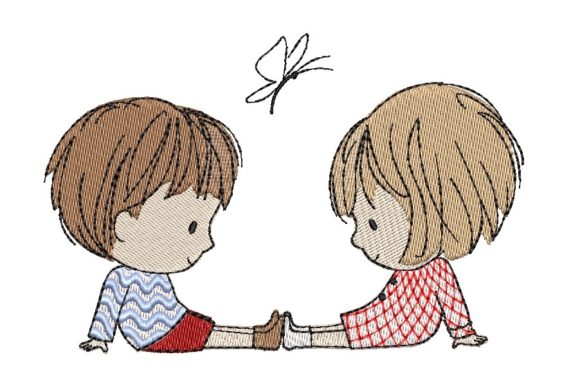
The visual personality of Baby Love is defined by its softness. In the world of Embroidery, sharp angles often translate poorly on fabric, especially when working with plush materials like towels or fleece. This design avoids harsh lines, opting instead for curves that suggest a gentle, loving accent. The layout is compact yet breathable, meaning the elements aren't crowded together. This spacing is crucial because it allows the fabric texture to peek through, giving the finished product a high-end, boutique feel rather than a stiff, plastic-looking patch.
When evaluating the detail level, I noticed a balanced use of what appears to be satin stitch for outlines and borders, paired with smooth fill stitch areas for the body of the design. This combination is excellent for creating dimension. For an Etsy seller or a craft business owner, this distinction matters. Customers can see the difference between a lazy, all-fill design and one that utilizes varied stitch types to create visual interest. The "innocent" vibe mentioned in the description isn't just marketing fluff; it translates into a clean, uncluttered aesthetic that works beautifully for personalized gifts.
Real-World Application: The Custom Sweatshirt Scenario
To truly test the viability of Baby Love, I mentally placed it onto a real-world project: a custom heather grey toddler sweatshirt. This is a common request for small shop owners during the holiday season. The design's scale seems perfect for the left chest area or centered on the front of a child's garment. Because the design is described as adding a "sweet, lovely accent," it doesn't overpower the garment. It complements it.
If you are creating custom apparel for a client, the clarity of the design is paramount. On a textured fabric like French terry cloth, fine details can get lost. However, the robust nature of the shapes in Baby Love suggests it will maintain its integrity even on looped fabrics. For a handmade product intended as a holiday embroidery gift, this reliability builds customer trust. A buyer wants to know that the cute motif on their child's shirt won't turn into a blurry mess after three washes. The structural soundness of this design implies longevity, which directly impacts your brand consistency and buyer engagement.
Navigating Fabric Challenges and Hoop Constraints
While Baby Love is versatile, practical design judgment requires us to acknowledge where caution is needed. The description notes it will stitch nicely onto "any fabric that needs some love," but as professionals, we know that "any fabric" is a dangerous assumption. For instance, if you are attempting this on a stretchy knit or a very thin rayon, the stitch density becomes a critical factor. If the fill areas are too dense, the fabric may pucker, distorting the adorable shapes.
I recommend testing this embroidery file on scrap fabric identical to your final project material. Pay close attention to the edges. If you are using this for an embroidered patch or a cap, the curved surface of a hat requires careful hooping and potentially a different stabilizer approach than flat goods. Small hoop sizes might limit your ability to center the design perfectly if the artwork is larger than expected, so always confirm the dimensions before committing to a project like a pocket emblem or a narrow apron strap.
Furthermore, consider the background color. While the design shines on light fabrics, placing it on dark navy or black requires a careful review of the thread colors. Does the design include an underlay or satin border that provides enough contrast? If the design relies on subtle shading, it might vanish against a dark finished product. Creating a black-and-white mockup or doing a physical test stitch on dark fabric is a non-negotiable step for maintaining professionalism.
Commercial Viability and Brand Value
For digital product sellers and those offering commercial embroidery services, the value of a design lies in its adaptability. Baby Love fits seamlessly into various product lines beyond just clothing. Imagine this stitched onto a high-quality tote bag design for a baby shower favor, or as a focal point on a nursery pillow cover. The universal appeal of the theme means it isn't limited to a single niche, increasing its utility for your inventory.
The "adorable and innocent" aesthetic enhances the perceived value of the item. A simple onesie becomes a cherished keepsake when adorned with a well-executed design. This emotional connection drives sales for small shop products. However, before listing items featuring Baby Love on your online store or using it in printable mockups, you must verify the licensing terms. The provided description hints at the design's versatility but does not explicitly state whether it is cleared for commercial resale or unlimited production runs. Always clarify these rights to protect your business.
Practical Notes for the Studio
Before running this design on a client's order, keep these technical checkpoints in mind:
- Stabilizer Selection: Match the stabilizer to the fabric weight. A cut-away might be necessary for stretchy baby clothes to prevent distortion over time.
- Thread Contrast: Ensure your thread palette matches the intended mood. Soft pastels work well for the "innocent" theme, but bold primaries could make it pop for a different look.
- Density Check: Inspect the fill areas. If they look too solid on screen, consider editing the density down slightly to allow the fabric to breathe, especially for baby embroidery where comfort is key.
- File Verification: Since specific formats and exact stitch counts weren't provided in the initial data, download the file and check compatibility with your specific machine brand before purchasing or committing to a deadline.
- Wash Testing: Always wash and dry a test sample. This confirms that the running stitch details and fill areas hold up without fraying or shrinking unevenly.
In conclusion, Baby Love stands out as a strong contender for designers looking to add a touch of sweetness to their portfolio. It balances aesthetic charm with practical stitch construction, making it suitable for everything from sweatshirt embroidery to delicate home decor. By approaching it with the right preparation and respect for fabric limitations, you can ensure that the final result is as lovely in person as it is in the digital preview.