Cute Baby Fish: A Designer's Review for Real Projects
As a designer who spends more time staring at stitch maps than most people spend watching television, I approach every new machine embroidery design with a mix of optimism and skepticism. We have all downloaded a file that looked adorable on the screen but turned into a bird's nest of thread breaks and puckering on the hoop. So, when I pulled up the Cute Baby Fish design, I wasn't just looking for something pretty; I was looking for reliability. This isn't just about making a cute item; it is about creating a handmade product that holds up to washing, wearing, and the scrutiny of a paying customer.
First Impressions: Mood and Visual Personality
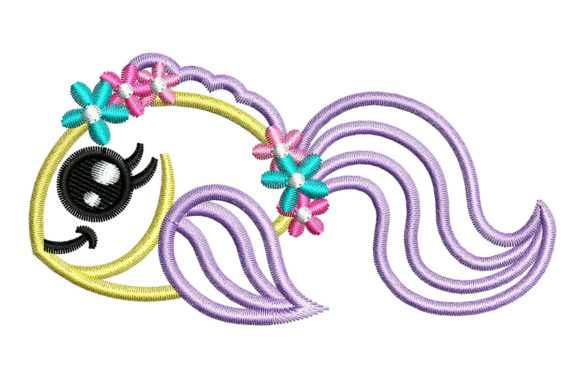
The first thing that strikes you about Cute Baby Fish is its undeniable charm. It captures that specific "kawaii" aesthetic that works so well for children's items without feeling overly juvenile for certain adult applications. The shape is rounded and friendly, avoiding sharp, difficult-to-stitch angles that often cause registration issues. From a visual standpoint, the design relies heavily on color blocking, which suggests a combination of fill stitch areas for the body and likely satin stitch outlines or details for the eyes and fins.
The mood here is playful and aquatic, naturally lending itself to nursery themes, summer collections, or beach-themed boutique lines. For an Etsy seller or small shop owner, this kind of visual personality is gold. It communicates instantly what the product is about. However, as a reviewer, my eye goes immediately to the detail level. In digital previews, gradients look smooth, but in embroidery, we are limited by thread colors and stitch direction. The success of this design hinges on how well those color transitions are managed in the actual embroidery file.
Real-World Application: The Custom Tote Bag Test
To truly evaluate Cute Baby Fish, I imagined a specific real-life scenario: a custom order for a local boutique needing a run of canvas tote bags for a summer market. Canvas is a fantastic fabric for embroidery because it is stable, but it has a distinct fabric texture that can swallow fine details. Placing this fish design on a natural cotton tote creates an immediate pop of color. The contrast between the bright threads and the neutral background makes the character stand out, enhancing the perceived value of the finished product.
In this context, the design performs well as a focal point. It is large enough to be seen from a distance at a craft fair but detailed enough to invite closer inspection. If you are creating custom apparel, such as a child's denim jacket or a linen apron, the fish adds a whimsical touch that feels intentional rather than generic. For baby embroidery projects, like a burp cloth or a onesie bib, the soft curves of the fish are perfect against delicate skin, provided the backing stitches are not too abrasive.
Versatility Across Products
Beyond totes and baby clothes, where else does this design shine? The versatility of Cute Baby Fish is one of its strongest assets for a craft business. Consider these applications:
- Sweatshirt Embroidery: Placed on the chest or sleeve of a fleece hoodie, the design adds a cozy, personalized element. The density of the stitch needs to be checked to ensure it doesn't weigh down the knit fabric.
- Embroidered Patch: This design is a prime candidate for creating iron-on or sew-on patches. The defined outline likely supports a merrow edge or a tight satin border, making it durable for backpacks and hats.
- Nursery Decor: Stitched onto pillow covers or wall hangings, the colorful nature of the fish brings life to a room. It works exceptionally well in a series, perhaps with different colorways for a school of fish effect.
- Holiday Embroidery: While not strictly seasonal, aquatic themes are huge for summer holidays, baptism gifts, or even "under the sea" birthday parties.
Technical Considerations and Potential Pitfalls
No design is without its challenges, and a professional review must address where things can go wrong. With Cute Baby Fish, the primary concern lies in the stitch density and the complexity of small details. If the design includes tiny eyes or intricate fin patterns, these areas are prone to collapsing if stitched on stretchy fabrics without proper support.
When working with thin fabric like rayon or lightweight cotton, you must be vigilant about using the correct stabilizer. A cut-away stabilizer is often safer than tear-away for designs with significant fill areas to prevent distortion over time. Furthermore, if you are attempting this on a curved surface like a cap, the layout of the fish matters. If the design is too wide, it might wrap awkwardly around the curve of the brim, distorting the fish's face. Always check the recommended hoop size before committing to a project; cramming a design into a hoop that is too small can lead to framing issues and poor stitch quality.
Color selection is another critical factor. The description mentions the design is "colorful and pretty," which implies multiple thread changes. On dark fabrics, you may need to adjust the underlay or add a backing layer of white fabric to prevent the garment color from showing through the lighter threads of the fish. Testing the design in black and white mockups can also help you understand the contrast levels before you ever thread the needle.
Impact on Brand and Customer Trust
For commercial embroidery professionals and digital product sellers, the quality of the design directly impacts brand consistency. A clean, well-digitized Cute Baby Fish signals professionalism. Customers trust handmade items that look precise; loose threads, gaps in the fill, or misaligned colors can undermine that trust instantly. Conversely, a crisp execution of this design can become a signature element of your small shop product line.
Using high-quality design assets like this allows you to create cohesive printable mockups for your online listings. When a customer sees a clear, vibrant representation of what they are buying, engagement increases. Whether you are selling the physical tote bag design or the digital file itself, the presentation of the fish determines its marketability. It transforms a simple stitch pattern into a recognizable brand element that buyers want to associate with quality and fun.
Final Designer Notes and Best Practices
Before you launch your next project featuring Cute Baby Fish, here is a practical checklist to ensure success:
- Test on Scrap Fabric: Never skip the test stitch-out. Use the same fabric and stabilizer combination you plan to use for the final item.
- Check Thread Contrast: Ensure your chosen thread colors provide enough distinction between the body, fins, and eyes.
- Review Stitch Density: Look for areas that seem overly dense, which could cause stiffness or fabric puckering.
- Verify Licensing: If you intend to sell finished items or the digital embroidery file, confirm the license terms provided with the download. Some designers allow commercial use of finished goods but restrict the resale of the file itself.
- Inspect Small Details: Zoom in on the preview to see how tiny elements like bubbles or scales are handled. These often require careful tension adjustments.
In conclusion, Cute Baby Fish is a delightful addition to any embroidery library, offering a blend of aesthetic appeal and practical utility. While it requires standard precautions regarding fabric choice and stabilization, its adaptable nature makes it a reliable choice for everything from personalized gifts to boutique merchandise. By approaching it with a designer's eye for detail and a maker's respect for the medium, you can turn this simple fish into a standout star of your collection.