Indian Dream Catcher: A Designer's Review for Gifts
As an embroidery designer who spends more time at the hoop than away from it, I am always on the lookout for designs that bridge the gap between artistic expression and commercial viability. When I first loaded the Indian Dream Catcher onto my screen, I was immediately struck by its intricate detailing and cultural resonance. This isn't just another generic pattern; it feels like a piece of art waiting to be translated into thread. For those of us running small shops or selling on Etsy, finding a machine embroidery design that offers both visual impact and versatility is rare. Today, I am sharing my practical review of this stunning digital embroidery, testing it against real-world scenarios to see if it holds up for your next batch of personalized gifts.
First Impressions: Mood, Charm, and Detail
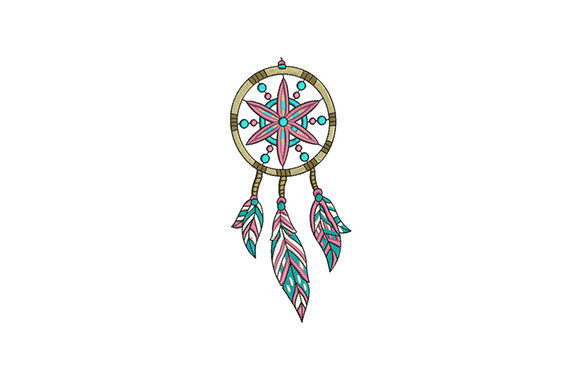
The moment you preview the Indian Dream Catcher, the mood is unmistakable. It exudes a sense of calm, spirituality, and bohemian elegance. The design captures the essence of traditional craftsmanship while maintaining a modern clarity that works well on contemporary home decor. The level of detail in the webbing and the hanging elements suggests a high-quality digital embroidery file that respects the complexity of the subject matter.
Visually, it feels sweet yet sophisticated. It is not overly playful like a cartoon character, nor is it strictly formal. Instead, it sits comfortably in the "handmade product" category that customers love for its emotional weight. Whether you are targeting new parents looking for nursery decor or couples seeking a unique wedding keepsake, this design speaks to a desire for meaningful, protective symbols in the home. The charm lies in its ability to look delicate without appearing fragile, a balance that is often hard to achieve in Embroidery sourced from the Asia region where such motifs are deeply rooted.
Versatility in Real-World Applications
In my shop, we constantly ask: "Where will this sell?" The Indian Dream Catcher shines because of its adaptability. Here is how I envision it performing across different product lines:
- Baby Embroidery: Imagine this stitched onto a soft muslin swaddle or a nursery wall hanging. The protective symbolism of a dream catcher makes it a perfect personalized gift for baby showers. However, care must be taken with scale to ensure it doesn't overwhelm a small blanket.
- Wedding Gifts: For a boho-chic wedding, this design could be embroidered on ring bearer pillows or guest book covers. It adds a layer of custom embroidery that feels thoughtful and bespoke.
- Home Decor: This is perhaps the strongest category. Pillow covers, throw blankets, and even framed textile art are ideal candidates. The design's symmetry works beautifully on square formats.
- Apparel and Accessories: Tote bags and aprons are excellent canvases. A large stitch-out on the back of a denim jacket or the front of a canvas tote creates an instant statement piece for craft fairs.
- Kitchen Linens: An embroidered towel featuring this motif elevates a simple kitchen item into a decorative accent, perfect for housewarming gifts.
Technical Considerations and Fabric Challenges
While the aesthetic appeal is high, a professional review must address the technical execution. The Indian Dream Catcher contains fine lines and potentially small details that require attention during the stitching process. Here are the critical areas where you need to exercise caution:
- Fabric Texture: On thick towels or textured linens, the fine details of the dream catcher's web might get lost or cause registration issues. Always test on a scrap piece of your actual inventory fabric first.
- Stretchy Materials: If you plan to use this for baby embroidery on stretchy onesies or knitwear, the stability of the design is paramount. Without the right approach, the dense areas could pucker the fabric.
- Dark Fabrics: The design relies on contrast. On dark navy or black fabrics, you may need to adjust the thread colors or add an underlay to prevent the base fabric from showing through the lighter sections of the web.
- Curved Surfaces: Stitching on curved items like caps or rounded pillow inserts requires careful hooping. The intricate nature of this design does not forgive distortion easily.
- Washability: Products that undergo frequent washing, like aprons or kitchen towels, need a robust finish. Ensure the satin stitches are dense enough to withstand friction but not so dense that they become stiff.
Enhancing Perceived Value and Customer Trust
From a business perspective, the Indian Dream Catcher is a tool for building brand value. When a customer sees this level of detail on a finished product, the perceived value skyrockets. It signals that the item is a true handmade product, not a mass-produced import. This emotional connection drives buyer engagement and encourages repeat customers.
For an Etsy seller or small shop owner, product photography is key. This design photographs exceptionally well because of its defined lines and symbolic imagery. A well-lit photo of this design on a neutral linen background can stop a scrolling customer in their tracks. It tells a story of care and tradition, which is exactly what buyers of custom embroidery are looking for. By offering this as a personalized gift option—perhaps adding a name or date below the catcher—you increase the exclusivity and justify a higher price point.
Practical Notes for the Studio
Before you commit to a full production run or list this as a new item in your store, here is my checklist for ensuring success with the Indian Dream Catcher:
- Test on Scrap Fabric: Never skip this step. Run the design on the exact fabric weight you intend to sell.
- Check Thread Color Contrast: Ensure your chosen palette provides enough definition for the intricate web patterns.
- Confirm Hoop Size: The product description mentions it fits pillows and apparel, but verify the specific dimensions against your machine's capabilities. Do not assume the hoop size without checking the file specs.
- Review Stitch Density: High density can lead to needle breaks or fabric puckering. Adjust your tension if necessary.
- Use Proper Stabilizer: Given the detail, a cut-away stabilizer is likely best for garments, while tear-away might suffice for stable home decor fabrics.
- Compare Mockups: Create digital or physical mockups on both light and dark fabrics to see how the design translates.
- Inspect Small Details: After stitching, examine the smallest feathers or beads in the design. Are they clean? Do they need manual trimming?
- Commercial Licensing: Crucially, confirm the licensing terms before selling. Ensure you have the rights for commercial embroidery if you plan to sell finished goods featuring this design.
In conclusion, the Indian Dream Catcher is a standout addition to any designer's library. It balances cultural depth with modern aesthetic appeal, making it a versatile choice for everything from blanket embroidery to fashion accessories. While it demands respect regarding fabric choice and stabilization, the resulting finished product is well worth the effort. For creators looking to expand their catalog with meaningful, high-value items, this design is a compelling choice. Just remember to check the specific file details provided by the vendor, as exact stitch counts and format compatibility were not explicitly detailed in the initial overview. Happy stitching!