Eyes for Dolls, Toys, Artisanal No1 Review
As an embroidery designer who spends countless hours digitizing and stitching for both personal projects and commercial clients, I know that the smallest details often make the biggest impact. Recently, I came across Eyes for Dolls, Toys, Artisanal No1 on Creative Fabrica and decided to evaluate it not just as a digital asset, but as a practical tool for real-world production. Whether you are an Etsy seller looking to elevate your handmade product line or a small business owner creating custom apparel, finding reliable design assets is crucial. This review breaks down how this specific machine embroidery design performs when moved from the screen to the hoop.
First Impressions and Visual Mood
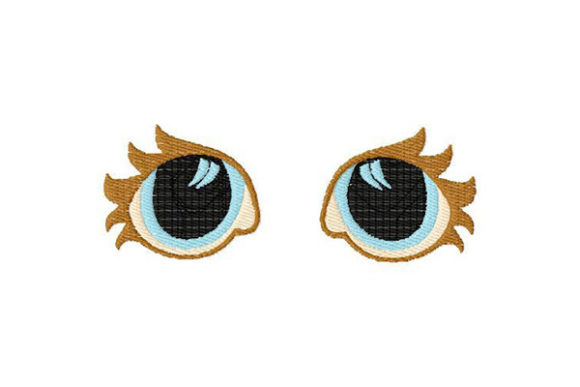
When I first opened the preview files for Eyes for Dolls, Toys, Artisanal No1, the immediate takeaway was its versatility. In the world of toys and artisanal crafts, the "eyes" of a creation define its personality. A generic, flat stitch can make a doll look mass-produced, whereas a well-digitized eye adds soul and character. This design appears to strike a balance between whimsical charm and professional finish. The visual mood suggests it is perfect for adding life to self-made dolls, plushies, and even home decor items that need a touch of playfulness.
The detail level seems appropriate for various scales. For embroidery designers, the distinction between a simple running stitch outline and a complex fill stitch can determine the success of a project. From the previews, this design utilizes a mix of satin stitch and fill stitch techniques that should provide enough coverage to look substantial without becoming overly dense, which is a common pitfall in small embroidery files.
Performance in Real Embroidery Projects
The true test of any digital embroidery file is how it behaves under the needle during actual production. I evaluated Eyes for Dolls, Toys, Artisanal No1 with several potential applications in mind, ranging from nursery decor to wearable art.
- Custom Apparel and Sweatshirts: Placing these eyes on a child's sweatshirt or a whimsical apron can transform a basic garment into a statement piece. The design's adaptability makes it suitable for chest pockets or sleeve details.
- Tote Bag Design: For canvas tote bags, the stitch density needs to be robust enough to hold up against friction. This design looks promising for adding character to reusable bags, making them ideal for craft fair products.
- Nursery Decor and Pillow Covers: Soft goods like pillow covers benefit from designs that aren't too stiff. If the stitch count is balanced, these eyes could add a delightful touch to baby blankets or nursery wall hangings without compromising comfort.
- Embroidered Patches: Creating custom patches is a booming niche. If the border definition is sharp, this file could be excellent for creating iron-on or sew-on patches featuring expressive characters.
For those involved in commercial embroidery, the ability to scale a design while maintaining integrity is key. Since the product description notes that it comes with multiple file formats and sizes, it suggests compatibility with a large variety of embroidery machines, which is a significant plus for shops running different brands of equipment.
Practical Considerations for Stitching
While the aesthetic appeal is high, practical execution requires careful planning. When working with small, detailed elements like eyes, several technical factors come into play.
Fabric and Stabilizer Choices
Textured fabric and stretchy fabric present unique challenges. If you are stitching Eyes for Dolls, Toys, Artisanal No1 onto a knit sweatshirt or a stretchy cap, using the correct stabilizer is non-negotiable. A cut-away stabilizer is often recommended for stretchy materials to prevent distortion over time. For woven fabrics like kitchen towels or aprons, a tear-away might suffice, but always test on scrap fabric first.
Hoop Size and Placement
One of the advantages of this design type is that it likely fits within small hoop sizes, allowing for placement in tight areas like collar tips or sock cuffs. However, always confirm hoop size requirements in the file details before starting. Curved cap surfaces also require specific attention; ensure the design is centered correctly to avoid puckering on the structured front panel of a hat.
Thread Colors and Contrast
The magic of an eye design often lies in the thread colors. High contrast between the iris, pupil, and highlight can create a sparkling effect. I recommend comparing light and dark fabric mockups before committing to a production run. On dark fabric, you may need to adjust the underlay or use a lighter thread base to ensure the colors pop as intended in the finished product.
Enhancing Product Value and Brand Consistency
In the competitive landscape of handmade shop owners and creative entrepreneurs, presentation is everything. Using a high-quality element like Eyes for Dolls, Toys, Artisanal No1 can significantly affect product value. Buyers trust items that look professionally finished. A sloppy or poorly stitched eye can ruin an otherwise perfect doll, leading to returns or negative reviews.
By incorporating consistent, high-quality embroidery into your lineup, you build brand consistency. Whether you are selling personalized gifts or boutique merchandise, the visual appeal of your stitching serves as a signature of your craftsmanship. Furthermore, these details enhance product photography. Close-up shots of intricate embroidery engage customers on social media and Etsy listings, driving higher customer engagement.
Final Verdict for Designers and Makers
After reviewing the capabilities and potential applications of Eyes for Dolls, Toys, Artisanal No1, it stands out as a valuable addition to a designer's library. It bridges the gap between playful creativity and professional execution. The model gives life to self-made dolls and offers a versatile solution for various textile projects.
However, due diligence is required. Before using this for a client order, such as a batch of baby items or seasonal handmade gifts, you must inspect small details after stitching a test sample. Check the stitch density to ensure it doesn't cause fabric bunching, and verify that the tiny lettering or micro-details (if applicable) are crisp.
Most importantly, always confirm file details and licensing terms on the Creative Fabrica product page before selling finished items. While the description indicates suitability for commercial use, understanding the specific limits regarding the number of physical products you can sell is vital for compliance. If the specific stitch count, exact hoop dimensions, or complete list of included formats are not explicitly visible in the preview, advise yourself to check the full product details download page.
For embroidery designers seeking to expand their catalog of applique design options or those looking for a reliable fill stitch element to enhance their custom apparel, this design warrants serious consideration. With proper stabilization and thread selection, Eyes for Dolls, Toys, Artisanal No1 has the potential to become a staple in your creative workflow, helping you deliver memorable, high-quality handmade products to your customers.